Policy Approaches to Advance Gender Equity: Case Studies from Finland and Scotland
November 17, 2026
Around the world, countries are taking different approaches to improving gender equity in health, including national strategies, policy reforms, and system-wide action to address the social, economic, and environmental determinants of health.
A previous spotlight feature explored how gender inequity influences health across the life course. Building on those insights, this follow-up spotlight focuses on action, highlighting international examples of policies, programmes, and system-level approaches that are helping to improve health outcomes and advance gender health equity. Examining international case studies provides opportunities to share learning and identify good practice that may inform action. While every country faces unique challenges and responses to the specific needs of its population, understanding how different health systems are addressing gender inequalities can offer insights to improve health outcomes and advance equity.
Why does gender matter?
Gender inequities do not arise from a single event or experience. Rather, they are shaped by a complex interplay of social, economic and environmental factors that accumulate and interact throughout life. Experiences and opportunities in early childhood, education, employment, caregiving, and later life can reinforce or mitigate inequities, influencing health outcomes, economic participation and overall wellbeing over time.
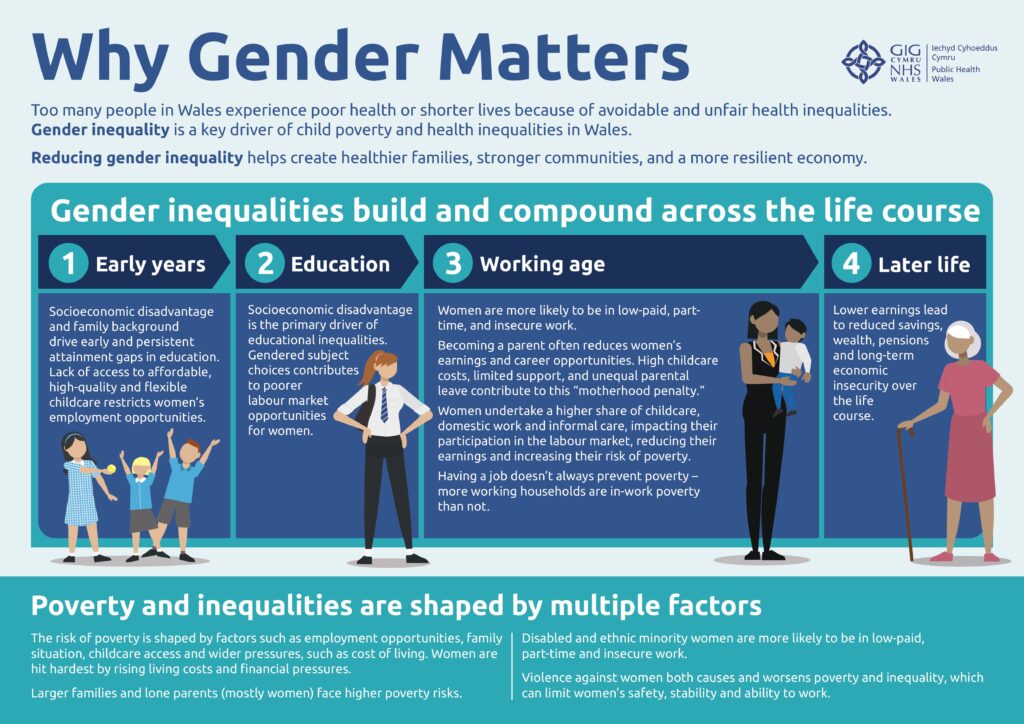
Figure 1: Illustration of how gender inequalities build and compound across the life course
The following international examples from Finland and Scotland illustrate how policy can be used at different intervention points across the life course. Finland focuses on creating equitable conditions for families through childcare and parental leave, while Scotland is exploring how government budgets can better support gender equality across society. Although different in approach, both demonstrate examples of tackling the root causes of inequity before they become embedded and harder to change. They also highlight how policy, investment, and evidence can be used to create the conditions for healthier and more equitable lives.
Finland: Childcare policies driving gender equity
Care affects people across the life course, creating not only economic inequalities linked to unpaid care work, but also health impacts such as stress, burnout, and poor mental wellbeing. Finland offers an example of how care policy can be used as a lever for gender equity and economic participation. At the heart of its approach is a comprehensive childcare and family support system designed to balance work, family life, and child wellbeing.
Finland’s policies combine several interconnected elements:
- Parental Leave Reform (2022): Introduced more equal, individual parental leave entitlements for both parents, promoting shared caregiving.
- Benefits and value: In 2024, parents earning between €10,665 and €67,296 received 90% income replacement, while those earning less were supported through a minimum allowance of approximately €800 per month. Pension entitlement also continues to accrue during leave, helping to protect long-term financial security.
- Early Childhood Education and Care Act (2015): Guarantees universal access to high-quality, affordable childcare (ECEC) for all children.
- Benefits and value: In 2017, 83.7% of children attend municipal day care (the most common ECEC). Investment in early years is associated with long-term social and economic benefits through improved health, educational, and employment outcomes.
- Child Home Care Allowance (1985): Act on Child Home Care and Private Care Allowance. Provides financial support to parents who care for young children at home.
- Benefits and value: In 2024, the allowance included a basic payment of €377 per month, additional payments for other children, and means-tested supplements of up to €202 per month. The average allowance paid in 2023 was €451 per month.
- Act on Early Childhood Education Client Fees (2016): Ensure childcare is income-based, affordable and accessible.
- Benefits and value: Families pay only for the hours used, with children attending up to 20 hours per week charged a maximum of 60% of the full-time fee. The fee for a second child is capped at 40% of the first child’s fee, with subsequent children charged only 20%, helping to reduce childcare costs for families with multiple children. Affordable childcare helps remove financial barriers that can limit parental participation in employment, particularly for mothers.
Together, these policies create an enabling environment where both parents can remain active in the labour market. One notable shift has been the reform of parental leave. Following changes to make parental leave entitlements more equal between parents, uptake among fathers has doubled, signalling a gradual shift in caregiving norms and a move towards more balanced parenting roles.
Finland has prioritised universal affordable childcare, ensuring every child has access to early education while supporting parental employment. It has also strengthened support for informal carers through financial allowances, regular health checkups, and in some municipalities, peer support networks, helping to recognise and sustain unpaid care. Alongside this, Finland has introduced digital innovation in care, with technologies that support independent living and ease pressure on health and care services.
These policies have delivered tangible results. Finland consistently ranks among the highest in Europe for female labour force participation, closely linked to its accessible childcare and family support systems. There has been a 90% uptake in the childcare leave and homecare allowance at least for some months after parental leave. Evidence has shown that after the parental leave reform, fathers took nearly twice as much parental leave (13 weeks vs just over 7 weeks), and parents used leave more flexibly, opting for shorter and part-time periods.
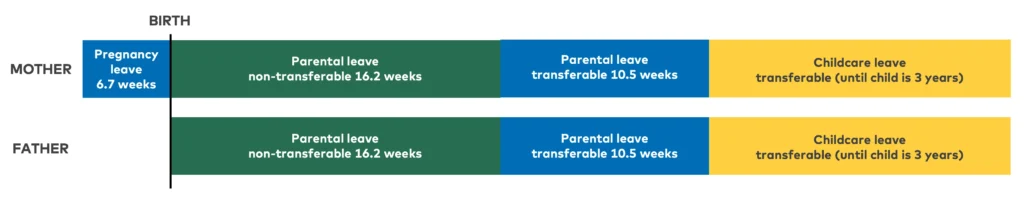
Figure 2: Parental leave scheme in Finland, 2024
Additionally, reforms have helped reshape norms around fatherhood, enabling more shared responsibility for care and improving work life balance for families. Broader benefits include enhanced child development outcomes and improve overall family wellbeing, demonstrating the wide-reaching value of investing in care infrastructure.
Equity Implications
Research shows that fathers’ use of parental leave in Finland varies by socio-economic status. Fathers with higher education and professional jobs tend to take more and longer leave, while use is lower among less advantaged groups. Fathers’ uptake is also influenced by mothers’ employment and education, with those in higher-skilled roles less likely to extend leave through home care allowances. Despite this progress, tension remains. The home care allowance, which supports parents who stay at home with young children, can unintentionally reinforce traditional gender roles, as it is more commonly taken up by mothers. This highlights the delicate balance between offering choice and promoting equality.
Scotland: Gender budgeting by the Scottish Government
Scotland provides an example of how governments can use budgeting processes to advance gender equality. In order to do this, the Scottish Government partnered with the Organisation for Economic Co-operation and Development (OECD) to review and test a new model of gender budgeting through pilot programmes, moving the focus to examining how financial decisions can actively reduce gender inequalities. The pilot built on existing policy commitments such as the Women’s Health Plan (2021) and the No One Left Behind Employability Strategy (2024–2027). The pilot highlighted clear benefits and showed gender budgeting can sharpen focus on inequalities, reveal gaps in spending, and better align resources with equality goals. However, it also exposed key challenges that need to be addressed before scaling up:
- Overarching gender goals: Without clear, Scotland-specific gender equality targets, it is difficult to align spending decisions coherently across government.
- Structural limitations in budgeting: The current portfolio-based model allocates funds by department rather than by outcomes, making it harder to track how spending contributes to gender equality.
- Complex funding structures: Budget lines often sit within broader allocations, making it difficult to trace how specific spending supports gender outcomes.
- Resource and capacity constraints: Implementing gender-budgeting would require significant investment, cross-team collaboration, and upskilling.
The pilot government departments (Justice and Economy) narrowed their focus to areas where they had clear influence, namely violence against women and girls, and the gender pay gap for women aged 50–64. This highlighted that gender inequality issues are cross-cutting, but government budgets remain siloed. Encouragingly, participating departments found that high-level gender goals used in the pilot which were adapted from a similar initiative in Canada were relevant to Scotland suggesting that developing tailored national goals could be a powerful next step.
Conclusion
Together, these examples highlight different approaches to advancing gender health equity, and demonstrate that coordinated action across government, built-in accountability mechanisms, robust data to understand who is benefiting from policies, and sustained investment can enable change.